
Launching a new product has traditionally required significant investment in research, product development, manufacturing facilities, quality testing, and supply chain management. However, many entrepreneurs today are choosing a faster and more cost-effective approach through white label product manufacturing. This business model allows companies to sell products under their own brand name while outsourcing manufacturing to an established producer.
White labeling has become increasingly popular across industries such as cosmetics, skincare, food and beverages, nutritional supplements, fashion accessories, electronics, home décor, and consumer goods. It enables startups and small businesses to enter the market quickly without the complexities of setting up their own manufacturing units.
While the white label model offers several benefits, including lower investment and faster market entry, it also comes with challenges such as limited product differentiation and dependence on third-party manufacturers. This article explores the advantages and disadvantages of white label product manufacturing to help entrepreneurs decide if it is the right business strategy.
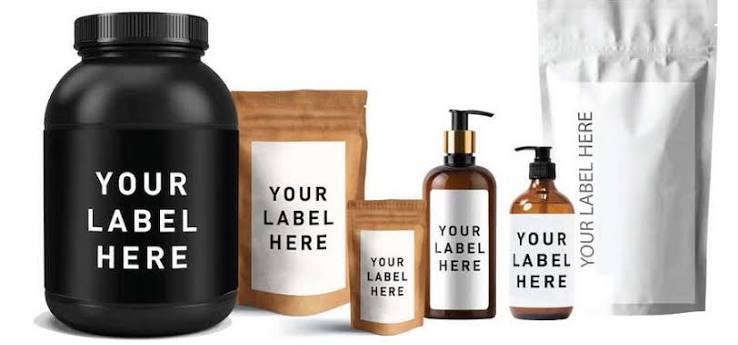
What Is White Label Product Manufacturing?
White label product manufacturing is a business model in which a manufacturer produces generic products that can be rebranded and sold by multiple businesses under their own brand names.
In this arrangement:
- The manufacturer develops and produces the product.
- The business purchasing the product adds its own branding, packaging, and marketing.
- Customers recognize the product under the seller’s brand rather than the manufacturer’s identity.
For example, a skincare manufacturer may produce a face cream that several companies sell under different brand names with unique packaging and branding.
How Does the White Label Business Model Work?
The process generally involves the following steps:
- Choose a product category.
- Identify a reliable white label manufacturer.
- Select existing product formulations or specifications.
- Design your brand name, logo, and packaging.
- Place a production order.
- Market and sell the product under your own brand.
The entrepreneur focuses primarily on branding, sales, customer service, and business growth, while manufacturing remains the responsibility of the supplier.
Advantages of White Label Product Manufacturing
1. Lower Startup Investment
One of the biggest advantages of white labeling is the reduced initial investment.
Entrepreneurs do not need to spend heavily on:
- Manufacturing facilities
- Production machinery
- Factory setup
- Research and development
- Technical staff
This makes it easier for startups and small businesses to launch products with limited capital.
2. Faster Time to Market
Developing a product from scratch can take months or even years.
With white labeling, businesses can launch products much more quickly because:
- The product already exists.
- Manufacturing processes are established.
- Quality testing has often been completed.
- Production infrastructure is already available.
This allows businesses to capitalize on market opportunities more rapidly.
3. Focus on Branding and Marketing
Instead of managing manufacturing operations, entrepreneurs can concentrate on activities that directly influence business growth, including:
- Brand development
- Digital marketing
- Customer acquisition
- Sales
- Distribution
- Customer service
A strong brand can create customer loyalty even when multiple companies sell similar products.
4. Lower Operational Complexity
Manufacturing involves:
- Raw material sourcing
- Production planning
- Equipment maintenance
- Quality control
- Workforce management
White labeling removes much of this operational burden, allowing businesses to operate with leaner teams.
5. Easy Product Expansion
Businesses can expand their product range quickly by introducing additional white label products from the same or different manufacturers.
For example, a skincare brand may start with face wash and later add:
- Moisturizers
- Serums
- Sunscreens
- Face masks
without investing in manufacturing infrastructure.
6. Scalability
As demand grows, businesses can often increase production by placing larger orders with their manufacturing partner instead of investing in new facilities.
This flexibility supports business growth with relatively lower capital expenditure.
Disadvantages of White Label Product Manufacturing
Although the model offers many benefits, it also has several limitations.
1. Limited Product Differentiation
Since multiple businesses may purchase the same product from the manufacturer, the primary difference often lies in branding and packaging.
This can make it difficult to create a truly unique product unless the manufacturer offers customization options.
2. Dependence on Manufacturers
Your business becomes highly dependent on the manufacturer’s:
- Product quality
- Production capacity
- Delivery timelines
- Inventory availability
Any disruption at the manufacturing level may directly affect your business operations.
3. Limited Control Over Production
Businesses typically have less control over:
- Manufacturing processes
- Product formulation
- Raw material sourcing
- Production scheduling
This may reduce flexibility when responding to changing customer demands.
4. Pricing Pressure
If several brands sell similar white label products, competition may shift toward pricing.
Lower prices can reduce profit margins unless the business builds strong brand recognition.
5. Supply Chain Risks
Delays in manufacturing or shipping may result in:
- Stock shortages
- Missed sales opportunities
- Customer dissatisfaction
Working with reliable manufacturers and maintaining adequate inventory can help reduce these risks.
6. Brand Reputation Depends on Product Quality
Even though another company manufactures the product, customers associate its quality with your brand.
Poor manufacturing standards can damage your reputation and reduce customer trust.
Industries That Commonly Use White Label Manufacturing
White labeling is widely used across various industries, including:
- Cosmetics and skincare
- Hair care products
- Health supplements
- Packaged foods
- Coffee and beverages
- Fashion accessories
- Home care products
- Pet products
- Electronics accessories
- Fitness products
Businesses in these sectors often focus on branding and marketing while outsourcing production.
White Label vs Private Label
Although the terms are sometimes used interchangeably, they differ in important ways.
| Feature | White Label | Private Label |
|---|---|---|
| Product Availability | Sold to multiple brands | Manufactured exclusively for one brand |
| Customization | Limited | Greater customization |
| Market Entry | Faster | May take longer |
| Product Exclusivity | Low | High |
| Development Cost | Lower | Higher |
Entrepreneurs seeking unique products may prefer private labeling, while those wanting rapid market entry often choose white labeling.
Tips for Success in a White Label Business
Choose a Reliable Manufacturer
Evaluate manufacturers based on:
- Product quality
- Certifications
- Production capacity
- Delivery reliability
- Industry reputation
A dependable manufacturing partner is essential for long-term success.
Invest in Strong Branding
Since products may be similar, branding becomes a key differentiator.
Develop:
- Professional packaging
- Memorable logos
- Consistent brand messaging
- Attractive product presentation
Strong branding can create customer loyalty.
Focus on Quality Assurance
Regularly inspect product quality through:
- Sample testing
- Customer feedback
- Quality audits
- Compliance verification
Maintaining consistent quality protects your brand reputation.
Build Multiple Sales Channels
Sell through:
- Your own website
- E-commerce marketplaces
- Retail stores
- Distributors
- Social media platforms
Diversifying sales channels reduces dependence on any single platform.
Monitor Customer Feedback
Customer reviews provide valuable insights into:
- Product quality
- Packaging
- Delivery experience
- Customer satisfaction
Continuous improvement helps strengthen your competitive position.
Common Mistakes Entrepreneurs Make
Many businesses encounter problems because they:
- Select manufacturers based only on the lowest price.
- Ignore product testing before launch.
- Neglect branding and packaging.
- Depend entirely on one supplier.
- Fail to understand regulatory requirements.
- Compete only on price instead of building brand value.
Avoiding these mistakes can improve long-term business performance.
Conclusion
White label product manufacturing provides entrepreneurs with an efficient and cost-effective way to launch branded products without investing in manufacturing facilities. Lower startup costs, faster market entry, operational simplicity, and scalability make it an attractive option for startups and growing businesses.
However, success depends on selecting reliable manufacturing partners, maintaining consistent product quality, investing in strong branding, and building customer trust. Businesses should also be aware of challenges such as limited product differentiation, supply chain dependence, and competitive pricing pressures.
By carefully evaluating the advantages and disadvantages, entrepreneurs can determine whether the white label model aligns with their business goals and long-term growth strategy.
FAQs
1. What is white label product manufacturing?
White label product manufacturing is a business model in which a manufacturer produces products that multiple businesses can purchase, rebrand, and sell under their own brand names.
2. What are the main advantages of white labeling?
Key benefits include lower startup costs, faster product launches, reduced operational complexity, scalability, easier product expansion, and the ability to focus on branding and marketing.
3. What are the disadvantages of white label manufacturing?
Common disadvantages include limited product differentiation, dependence on third-party manufacturers, reduced control over production, pricing pressure, supply chain risks, and potential brand reputation issues if product quality declines.
4. What is the difference between white label and private label products?
White label products are generally sold to multiple brands with limited customization, whereas private label products are manufactured exclusively for one brand and often allow greater customization and exclusivity.
5. Is white label manufacturing suitable for startups?
Yes. White labeling is often an excellent option for startups because it reduces initial investment, speeds up market entry, and allows entrepreneurs to focus on branding, customer acquisition, and business growth rather than manufacturing operations.




Leave a Reply