
Land at Mumbai airport, and within an hour you could be standing where a Mughal-era fort city once bustled, watching fishing boats unload their catch at dawn, or walking the same promenade where Bollywood stars have filmed a hundred romantic scenes. Mumbai genuinely earns its nickname, City of Dreams, not through any single grand monument, but through the sheer density of history, culture, and everyday drama packed into its southern peninsula. For Indian travellers who’ve only seen Mumbai through train windows or airport layovers, this city genuinely rewards a proper visit.
Here’s what makes planning this genuinely manageable: unlike sprawling destinations that demand a week of travel between sites, Mumbai’s five most iconic attractions sit remarkably close together in South Mumbai, meaning you can genuinely cover the essentials in 2 to 3 focused days. November through February brings the most pleasant weather for walking around, while the June-September monsoon, though it makes the city genuinely greener, can disrupt outdoor sightseeing considerably.
Gateway of India: Where Every Mumbai Trip Genuinely Begins
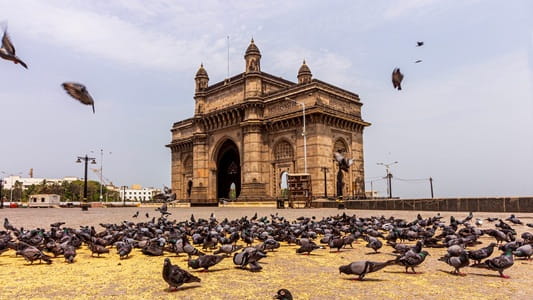
Built in Indo-Saracenic style to commemorate King George V and Queen Mary’s 1911 visit to Bombay, the Gateway of India remains Mumbai’s most recognisable symbol, and for good reason. This triple-arched monument, constructed from basalt and concrete overlooking the Arabian Sea, blends Indian, Victorian, and Mughal architectural elements into something genuinely distinctive, and it’s typically the first stop on any Mumbai itinerary.
Entry is completely free, and the surrounding plaza stays busy with vendors, photographers, and boat operators from morning until well into the evening. Right alongside it stands the iconic Taj Mahal Palace Hotel, itself worth admiring even if you’re not staying there. This is also where you’ll catch the ferry to Elephanta Caves, so plan your visit here as a genuine anchor point for at least half your first day in the city.
Marine Drive: The Queen’s Necklace That Genuinely Lives Up to Its Name
Stretching roughly three kilometres along the Arabian Sea from Nariman Point to Chowpatty, Marine Drive earns its nickname, the Queen’s Necklace, from how its curved streetlights genuinely resemble a string of pearls when viewed from above at night. This promenade, lined with Art Deco buildings that Mumbai shares in concentration only with Miami, has become the city’s favourite spot for evening walks, sunset watching, and simply sitting quietly with a cup of chai while staring at the sea.
Entry costs nothing, and the walk stays open around the clock, though sunset genuinely delivers the best experience, when the sky turns golden over the water and the promenade fills with locals unwinding after work. Combine your visit with Chowpatty Beach at the northern end, where street food stalls serve spicy bhel puri and roasted peanuts, and you’ve got a genuinely complete evening covering food, views, and people-watching all in one stretch.
Elephanta Caves: A UNESCO Site Just an Hour’s Boat Ride Away
For a genuine change of pace from Mumbai’s urban energy, the Elephanta Caves offer rock-cut temples dating back centuries, carved directly into Elephanta Island roughly seven kilometres offshore. These UNESCO World Heritage caves feature intricately carved sculptures dedicated to Lord Shiva, and walking through them genuinely feels like stepping into a different era entirely, quiet, cool stone chambers replacing the city’s constant noise.
The ferry departs regularly from Gateway of India, taking about an hour each way, with round-trip ferry costs typically running ₹200 to ₹260, and entry to the caves themselves priced separately, around ₹600 for foreign nationals with Indian nationals paying considerably less. Plan for a genuine half-day excursion here rather than squeezing it into a rushed couple of hours, since the boat ride itself, with views back toward Mumbai’s skyline, is genuinely part of the experience.
Chhatrapati Shivaji Terminus: A Working Railway Station That’s Also a Masterpiece
Few railway stations anywhere in the world double as genuine architectural marvels, but Chhatrapati Shivaji Terminus, still commonly called CST or Victoria Terminus, manages exactly that. This UNESCO World Heritage Site showcases Victorian Gothic architecture at its most elaborate, stained-glass windows, towering spires, domed arches, and buttresses carved with intricate animal imagery, while simultaneously functioning as one of the busiest railway stations in the country.
You can admire the exterior entirely for free, and interior tours, when available, typically cost a modest ₹100. Since CST sits centrally within South Mumbai, it pairs naturally with a walk through the surrounding Fort district, itself lined with additional colonial-era buildings including the Bombay High Court, genuinely rewarding a slow wander rather than a quick photo stop.
Colaba Causeway: Mumbai’s Shopping Street With Genuine Character
Rounding out Mumbai’s essential five is Colaba Causeway, a bustling street market that genuinely captures the city’s chaotic, energetic shopping spirit better than any mall could. Expect an eclectic mix of clothing stalls, accessory vendors, antique shops, and street food, all set against a backdrop of bargaining that’s practically expected as part of the experience.
This stretch sits within easy walking distance of Gateway of India, making it genuinely convenient to combine both in a single outing, shop through the afternoon, then walk over for sunset views at the monument itself. Keep your valuables secure while browsing, since crowded market areas anywhere genuinely warrant some basic caution, and don’t hesitate to negotiate prices, it’s a completely normal, expected part of shopping here.
Frequently Asked Questions
Q1. How many days do I genuinely need to cover these five Mumbai attractions properly?
A. Two to three focused days comfortably covers Gateway of India, Marine Drive, CST, and Colaba Causeway, with Elephanta Caves genuinely deserving its own half-day given the ferry travel time involved, so budgeting three days total gives you a relaxed, unhurried pace.
Q2. Is Mumbai genuinely safe for solo travellers, including women travelling alone?
A. Yes, Mumbai ranks among India’s safer major cities for tourists, with South Mumbai areas like Colaba, Fort, and Marine Drive being particularly well-patrolled. Standard precautions genuinely apply though, avoid poorly lit areas at night, use official taxis or ride-sharing apps, and stay alert around crowded spots like Gateway of India where petty theft occasionally targets distracted tourists.
Q3. What’s the best way to get between these five attractions without wasting time in Mumbai traffic?
A. Local trains genuinely offer the fastest way to cover longer distances, though they get extremely crowded during peak hours between 8-11 AM and 6-9 PM, so first-time visitors are better off avoiding rush hour or using the dedicated ladies’ compartments. For shorter hops between nearby South Mumbai attractions, walking or a quick taxi ride works perfectly well.
Q4. Should I avoid visiting Mumbai during monsoon season, or does it actually add something to the experience?
A. Monsoon, running June through September, does bring heavy rains that can genuinely disrupt outdoor sightseeing and ferry services to Elephanta Caves specifically, but Marine Drive during monsoon offers a genuinely dramatic, romantic atmosphere with crashing waves that many repeat visitors actually seek out deliberately, so it depends on whether you prioritise convenience or atmosphere.
Leave a Reply