
Starting a business from scratch can be exciting, but it also comes with significant challenges, including building a brand, attracting customers, and developing efficient business processes. For entrepreneurs who want to reduce some of these risks, buying an established franchise can be an attractive option.
A franchise allows an individual (the franchisee) to operate a business using the brand name, products, systems, and support of an existing company (the franchisor). In India, franchise businesses have grown rapidly across industries such as food and beverages, education, healthcare, retail, fitness, beauty, and logistics.
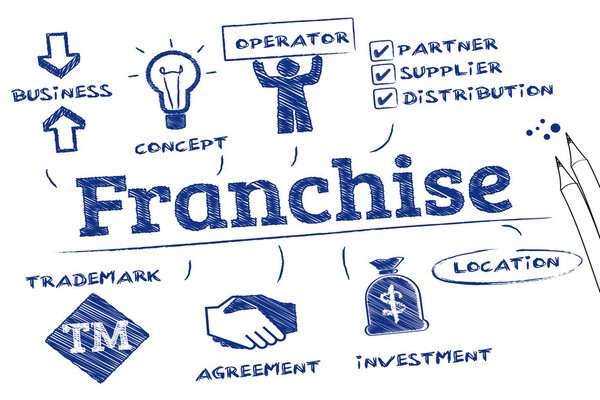
While franchising offers several advantages, including brand recognition and operational support, it also involves costs, contractual obligations, and limited business flexibility. This article explores the advantages and disadvantages of buying an established franchise model and helps you determine whether it is the right investment for your entrepreneurial journey.
What Is a Franchise Business?
A franchise is a business arrangement where the owner of an established brand (the franchisor) grants another individual or company (the franchisee) the right to operate under its brand name and business model.
In return, the franchisee usually pays:
- An initial franchise fee
- Ongoing royalty fees
- Marketing or advertising contributions (where applicable)
The franchisee receives the benefit of operating a proven business model while following the standards and guidelines established by the franchisor.
How Does a Franchise Model Work?
When you purchase a franchise, you typically receive:
- The right to use the brand name
- Business operating procedures
- Staff training
- Marketing support
- Supplier network
- Operational guidance
- Technology systems
Although the franchisee owns and manages the outlet, they are expected to comply with the franchisor’s operational standards and policies.
Advantages of Buying an Established Franchise
Choosing a franchise offers several benefits, particularly for first-time business owners.
1. Established Brand Recognition
One of the biggest advantages of buying a franchise is immediate access to an established brand.
Customers are more likely to trust a familiar business than a completely new company, reducing the time and effort required to build brand awareness.
2. Proven Business Model
Unlike a startup, a franchise usually operates using a tested business model.
This includes:
- Standard operating procedures
- Pricing strategies
- Product offerings
- Marketing systems
- Customer service guidelines
Following an established model can reduce many of the uncertainties associated with launching a new business.
3. Training and Ongoing Support
Most franchisors provide comprehensive training before the business begins operations.
Support often includes:
- Staff recruitment guidance
- Operational training
- Inventory management
- Marketing assistance
- Technology support
- Business performance reviews
This can be especially valuable for entrepreneurs with limited industry experience.
4. Easier Access to Suppliers
Established franchise networks often have relationships with approved suppliers.
Benefits include:
- Consistent product quality
- Bulk purchasing advantages
- Reliable inventory supply
- Standardized materials
These arrangements can improve operational efficiency.
5. Higher Customer Trust
Consumers often prefer purchasing products or services from recognized brands because they associate them with consistent quality and service.
This trust can help franchise businesses attract customers more quickly than independent startups.
6. Better Financing Opportunities
Banks and financial institutions may be more willing to finance franchise businesses with a strong track record than completely new and untested business ideas.
However, loan approval depends on several factors, including the applicant’s financial profile and the lender’s policies.
Disadvantages of Buying an Established Franchise
Despite the advantages, franchising also has several limitations.
1. High Initial Investment
Buying a franchise often requires substantial upfront costs, including:
- Franchise fee
- Security deposit
- Store setup costs
- Equipment purchases
- Working capital
The total investment can be significantly higher than starting some independent businesses.
2. Ongoing Royalty Payments
Most franchisors charge recurring royalty fees based on revenue or a fixed amount.
These payments continue throughout the franchise agreement and reduce overall profitability.
3. Limited Business Freedom
Franchisees must generally follow the franchisor’s rules regarding:
- Products and services
- Pricing policies
- Store layout
- Branding
- Marketing campaigns
- Operating procedures
Entrepreneurs seeking complete creative control may find these restrictions limiting.
4. Contractual Obligations
Franchise agreements often contain detailed legal terms covering:
- Business operations
- Territory rights
- Renewal conditions
- Performance standards
- Exit clauses
Violating these terms may lead to penalties or termination of the franchise.
5. Dependence on Brand Reputation
The success of a franchise can be influenced by the reputation of the franchisor.
If the brand experiences negative publicity or operational issues elsewhere, all franchise outlets may be affected, regardless of their individual performance.
6. Limited Product Innovation
Introducing new products or services usually requires approval from the franchisor.
This may limit your ability to adapt quickly to changing customer preferences or local market conditions.
Factors to Consider Before Buying a Franchise
Before investing in a franchise, evaluate several important factors.
Brand Reputation
Research the franchisor’s:
- Market reputation
- Customer reviews
- Years in operation
- Financial stability
A well-established brand generally offers greater long-term confidence.
Franchise Costs
Understand the complete investment, including:
- Initial franchise fee
- Store setup expenses
- Royalty charges
- Marketing contributions
- Renewal fees
- Technology costs
A clear understanding of the financial commitment helps avoid unexpected expenses.
Support Offered
Ask about:
- Initial training
- Ongoing operational support
- Marketing assistance
- Technology systems
- Business development guidance
The quality of franchisor support can significantly affect business performance.
Territory Rights
Review whether the franchise agreement grants exclusive territorial rights or allows additional franchise outlets nearby.
Exclusive territories may reduce internal competition.
Profitability
Study:
- Expected operating costs
- Revenue potential
- Break-even timeline
- Existing franchise performance
Request financial information where available and conduct independent market research before making a decision.
Franchise vs Starting Your Own Business
| Feature | Franchise Business | Independent Business |
|---|---|---|
| Brand Recognition | Established | Build from scratch |
| Business Model | Proven | Self-developed |
| Operational Support | Available | Self-managed |
| Initial Investment | Usually Higher | Varies |
| Business Freedom | Limited | Complete |
| Royalty Payments | Usually Required | Not Applicable |
| Marketing Support | Provided | Self-managed |
| Risk Level | Generally Lower (brand-related) | Depends on business model |
Each option has its own advantages, and the right choice depends on your entrepreneurial goals.
Who Should Consider Buying a Franchise?
Buying a franchise may be suitable for entrepreneurs who:
- Prefer operating a proven business model.
- Want guidance and ongoing support.
- Value established brand recognition.
- Have sufficient investment capital.
- Are comfortable following standardized operating procedures.
It may be less suitable for individuals seeking complete independence or those wanting to create a unique brand.
Common Mistakes to Avoid
Many franchise buyers encounter challenges due to insufficient preparation.
Avoid these common mistakes:
- Choosing a franchise based only on brand popularity.
- Not reviewing the franchise agreement carefully.
- Underestimating total investment costs.
- Ignoring royalty and recurring fees.
- Failing to research local market demand.
- Overlooking the franchisor’s support system.
- Not speaking with existing franchisees before investing.
Conducting thorough due diligence can help reduce business risks.
Conclusion
Buying an established franchise model offers entrepreneurs the opportunity to operate a business with the support of a recognized brand, proven systems, and ongoing operational guidance. These advantages can reduce many of the uncertainties associated with starting an independent business from scratch.
However, franchising also comes with important considerations, including higher initial investments, recurring royalty payments, contractual obligations, and limited operational flexibility. Before purchasing a franchise, carefully evaluate the franchisor’s reputation, financial requirements, support services, and agreement terms.
A well-researched decision can help you choose a franchise that aligns with your financial goals, management style, and long-term business vision.
FAQs
1. What is an established franchise model?
An established franchise model is a business system in which a franchisor allows a franchisee to operate under its brand name using its proven products, operating procedures, and business processes in exchange for agreed fees.
2. What are the biggest advantages of buying a franchise?
Some of the main benefits include established brand recognition, a proven business model, operational training, marketing support, supplier networks, and higher customer trust.
3. What are the disadvantages of owning a franchise?
Common disadvantages include high initial investment, ongoing royalty fees, limited operational freedom, contractual obligations, dependence on the franchisor’s reputation, and restrictions on introducing new products or services.
4. Is buying a franchise less risky than starting a new business?
A franchise may reduce certain risks by providing an established brand and tested business model. However, business success still depends on factors such as location, management, market demand, operational efficiency, and financial planning.
5. What should I check before buying a franchise?
Before investing, review the franchisor’s reputation, total investment requirements, royalty structure, support services, territory rights, franchise agreement, financial performance, and feedback from existing franchisees. Conducting proper due diligence can help you make a more informed decision.





Leave a Reply