
Ask any young couple in Bengaluru or Gurugram why they moved out of their parents’ home right after marriage, and you’ll hear some version of the same answer: they wanted their own space, their own decisions, their own rhythm. Ask their grandparents the same question decades ago, and most would have found the idea genuinely baffling, why would you choose to raise children without the built-in support of aunts, uncles, and grandparents living right there with you? This shift, from joint families to nuclear ones, isn’t just a passing lifestyle trend, it’s genuinely reshaped how millions of Indian households function, and understanding both sides of it matters whether you’re deciding where to live after marriage or simply trying to make sense of how family life has changed around you.
This debate genuinely isn’t about declaring one family structure superior to the other. Both nuclear and joint family systems carry real strengths and real costs, and what works beautifully for one household can genuinely strain another. Knowing exactly what you’re gaining and what you might be giving up helps you make more informed choices about your own family life, rather than simply following whatever’s become the urban default.

Why Nuclear Families Have Become India’s Urban Norm
A nuclear family, simply put, consists of parents and their children living together under one roof, without grandparents, uncles, aunts, or cousins sharing the same home. Over the past few decades, this structure has genuinely become the dominant pattern in urban India, driven by job mobility, education, rising incomes, and a broader cultural shift toward independent living.
This isn’t purely a matter of personal preference either. As cities expanded and career opportunities pulled young people away from ancestral hometowns, living jointly with extended family simply became logistically harder, cramped urban housing genuinely can’t accommodate the same multi-generational household that a larger ancestral home once could. Understanding this context matters because it means the shift toward nuclear families reflects genuine economic and social forces, not just changing individual attitudes.
The Genuine Freedom That Comes With Fewer Decision-Makers
One of the most consistently cited advantages of nuclear living is the sheer degree of personal freedom it offers. Couples can make decisions about their children’s education, their daily routines, and their overall lifestyle without needing to factor in the opinions or approval of extended family members living under the same roof.
This genuinely extends to financial freedom too. With fewer people to support directly, nuclear families often find it easier to channel resources specifically toward their own children’s education and ambitions, rather than distributing income across a larger household. For many young couples, this combination, privacy plus financial focus, is precisely what makes nuclear living feel worth the trade-off of losing built-in extended family support.
Where the Support System Genuinely Disappears
Here’s the flip side that doesn’t get discussed nearly enough. In joint families, grandparents traditionally help with childcare and household responsibilities, creating a genuine safety net that nuclear families simply don’t have. Without that support, parents in nuclear households often find themselves managing work, home responsibilities, and children’s needs almost entirely alone, particularly challenging for dual-income couples trying to balance demanding careers with parenting.
This pressure isn’t just logistical, it’s genuinely linked to measurable wellbeing outcomes. Research comparing joint and nuclear family members in India has found that overall health status tends to be poorer among nuclear family members compared to their joint family counterparts, with higher rates of stress-related habits like smoking and drinking reported among nuclear family adults specifically. This doesn’t mean nuclear living causes poor health directly, but it does suggest the reduced support structure genuinely takes a toll that’s worth acknowledging honestly rather than glossing over.
What Children Genuinely Gain and Lose
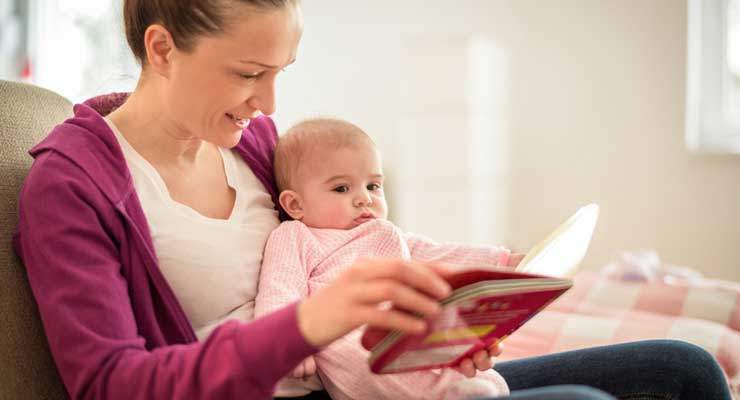
Nuclear family living often means more focused parental attention, with fewer people in the household, parents can genuinely dedicate more concentrated time and energy directly to their own children’s needs, without the competing demands and dynamics of a larger, multi-generational household.
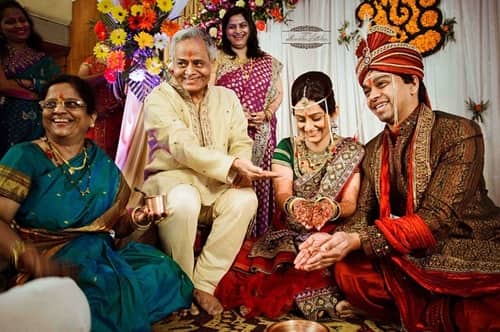
That said, something genuine gets lost too. In joint families, children absorb traditions, customs, family stories, and values simply through daily exposure to grandparents and extended relatives, an informal, ongoing education in family history and cultural identity that nuclear households have to work considerably harder to replicate deliberately. Some research has also found that children from larger joint families report fewer behavioural problems, suggesting the presence of multiple caring adults genuinely offers something psychologically stabilising that a smaller household structure can’t fully substitute.
The Genuine Toll on Ageing Parents
This is genuinely one of the more emotionally significant costs of the nuclear shift, and it deserves honest attention. As adult children move into their own nuclear households, elderly parents are often left living separately, sometimes facing genuine isolation and emotional neglect that a joint family structure would have naturally prevented.
This isn’t a minor side effect either, it represents a genuine structural change in how India cares for its ageing population, one that families increasingly have to actively address rather than assume will simply take care of itself the way it once did within joint households. Regular visits, video calls, and deliberate inclusion in major family decisions become genuinely necessary substitutes for what used to happen automatically under one roof.
Financial Realities on Both Sides
Nuclear families genuinely benefit from not having to share resources across a larger household, income earned stays concentrated within a smaller unit, often enabling a higher standard of living per family member. But this comes with a corresponding cost, nuclear families also lose the financial cushion a joint family provides, shared expenses, pooled resources during emergencies, and built-in support during job loss or medical crises that a joint family structure naturally distributes across more earning members.
For many Indian families, particularly in high-cost cities, this trade-off genuinely cuts both ways depending on individual circumstances, some households genuinely thrive with concentrated resources and independent decision-making, while others find themselves without a safety net precisely when they need one most.
Frequently Asked Questions
Q1. Is it possible to get the benefits of both nuclear independence and joint family support without fully living together?
A. Yes, genuinely, many Indian families now practice what’s sometimes called a “modified joint family,” living in separate nuclear households but staying in close physical proximity, same city or nearby neighbourhoods, allowing regular support and involvement without sacrificing the privacy of independent living.
Q2. Does living in a nuclear family genuinely mean my children will miss out on important cultural values and traditions?
A. Not necessarily, though it does require more deliberate effort. Nuclear family parents often need to consciously create opportunities, regular visits to grandparents, storytelling, festival participation, that joint families would have provided simply through daily proximity, so it’s less automatic but genuinely still achievable with intention.
Q3. How can nuclear family parents manage the lack of childcare support that joint families naturally provide?
A. Building a reliable external support network genuinely helps, whether through trusted daycare, part-time domestic help, or a close relationship with nearby relatives who can step in occasionally, since replicating even a fraction of the joint family’s built-in support considerably reduces the pressure nuclear parents otherwise carry alone.
Q4. Which family structure is genuinely better for elderly parents’ wellbeing as they age?
A. Joint families generally offer more built-in support and reduced isolation for elderly members, though this isn’t universal, some elderly parents genuinely prefer independent living with regular visits from adult children over sharing a household, so individual preference and health needs matter as much as the structure itself.







Leave a Reply