
Somewhere in Meghalaya’s East Khasi Hills, boats float on a river so transparent that photographs look photoshopped, tourists genuinely can’t believe what they’re seeing until they’re sitting in one themselves. A few hours away, a bridge made entirely of living tree roots, grown and shaped over centuries by tribal hands, still carries villagers safely across a rushing stream. This is exactly why Meghalaya, whose name literally means “abode of clouds,” has become India’s favourite answer to travellers craving something genuinely different from the usual hill station or beach holiday.
Here’s the practical part worth knowing before you pack: Meghalaya isn’t one destination, it’s a scattered collection of villages, waterfalls, and viewpoints connected by winding hill roads, and travelling here without a plan means spending more time in transit than actually experiencing anything. October through April brings the clearest skies and easiest travel conditions, while June through September rewards you with waterfalls at their most dramatic, though monsoon rains can genuinely disrupt road travel. Here are the five places that consistently anchor every well-planned Meghalaya trip.
Shillong: Your Base for Everything Else
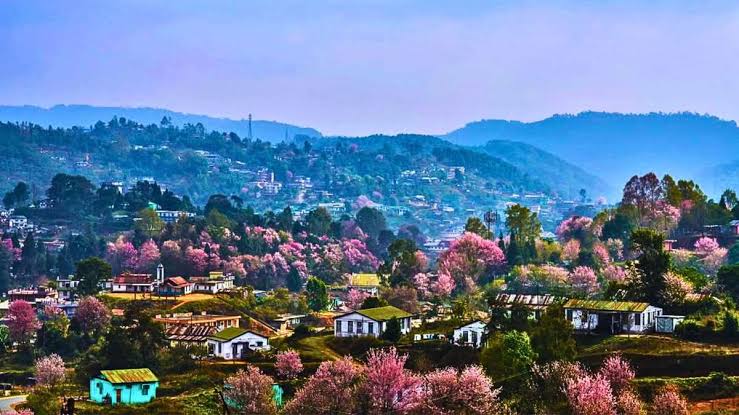
Every serious Meghalaya itinerary genuinely starts in Shillong, the state capital and the only place with the infrastructure, cafes, and connectivity to comfortably serve as your base. Often called the “Scotland of the East” thanks to its pine-covered hills and cool climate, Shillong offers a genuinely different pace than the offbeat villages you’ll visit later in your trip.
Spend your first day here covering Umiam Lake for boating and photography, Elephant Falls for an easy, family-friendly waterfall walk, and Shillong Peak for panoramic views over the city. The Don Bosco Museum genuinely deserves a couple of hours too, offering a real, thoughtfully curated look into Northeast India’s diverse tribal cultures rather than a token cultural stop. Shillong is also genuinely known as India’s music capital, so an evening wandering through Police Bazaar or a local café with live music adds a distinctly different flavour to your trip before you head into more remote territory.
Cherrapunji (Sohra): Where Waterfalls and Caves Take Over
Roughly 36 kilometres from Shillong sits Cherrapunji, locally called Sohra, once famously known as the wettest place on Earth. This entire region is genuinely built around dramatic natural drama, towering cliffs, deep gorges, and waterfalls that number among India’s tallest and most photographed.
Nohkalikai Falls, India’s tallest plunge waterfall at roughly 340 metres, is the undisputed highlight, its turquoise pool at the base looking almost unreal against the surrounding cliffs. The Seven Sisters Falls, or Nohsngithiang Falls, deliver genuine spectacle during monsoon when all seven segments run at full force, while Mawsmai Cave offers an accessible, well-lit introduction to the region’s extensive limestone cave systems for anyone curious about caving without wanting a serious trek. Thangkharang Park, overlooking the plains of Bangladesh, rounds out a full day here perfectly, especially at sunset when the valley view genuinely takes your breath away.
Mawlynnong Village: Asia’s Cleanest Village, and Genuinely Worth the Detour
About 90 kilometres from Shillong, Mawlynnong has earned international recognition as Asia’s cleanest village, and visiting it genuinely feels like stepping into a different reality altogether. Every home here maintains its own composting system, bamboo dustbins line every pathway, and the entire village operates on a shared sense of community responsibility for its own upkeep that genuinely surprises first-time visitors.
Beyond the cleanliness itself, Mawlynnong offers the Sky Walk, a bamboo viewing tower with sweeping views toward the Bangladesh plains, and a short walk to the nearby Riwai Root Bridge, a slightly more accessible living root bridge than the more famous Nongriat trek. The Church of Epiphany and a simple village walk through flowering gardens genuinely round out a peaceful half-day here, making Mawlynnong one of the easiest stops on this list to fit into a tight itinerary without feeling rushed.
Dawki and the Umngot River: The Photograph You’ll Actually Take
Dawki sits right on the India-Bangladesh border, and its main draw, the Umngot River, genuinely lives up to every photograph you’ve seen of it. The water here runs so crystal clear that boats appear to float in mid-air, an effect that photographs simply cannot fully capture until you’re actually there watching it yourself.
Beyond the boat rides, Dawki’s British-era suspension bridge offers a genuinely scenic vantage point over the river, and increasingly, travellers are choosing to camp overnight at nearby Shnongpdeng, waking up beside the river rather than just passing through for a few hours. This overnight option genuinely transforms Dawki from a quick photo stop into one of the more memorable, immersive experiences in the entire state, particularly if you enjoy quiet mornings by the water before the day’s tourist boats arrive.
The Living Root Bridges of Nongriat: Meghalaya’s Most Physically Rewarding Stop
If you’re willing to trek, the Living Root Bridges near Nongriat village offer genuinely the most unique experience Meghalaya has to offer. These bridges, grown from the aerial roots of rubber fig trees and shaped by Khasi tribal communities over centuries, aren’t built structures at all, they’re living organisms that continue strengthening with age, some genuinely over a hundred years old.
Reaching the famous Double Decker Root Bridge requires a proper trek, several thousand steps down into the valley and back up again, so this stop genuinely rewards travellers with reasonable fitness and comfortable footwear rather than a casual sightseeing crowd. The turquoise natural pools along the trekking route are genuinely worth carrying swimwear for, and the sense of accomplishment reaching the bridge after the descent makes this one of the most talked-about experiences by anyone who’s actually done a Meghalaya trip properly.
Frequently Asked Questions
Q1. How many days do I genuinely need to cover these five places without feeling rushed?
A. A realistic itinerary covering Shillong, Cherrapunji, Mawlynnong, and Dawki comfortably needs 5 to 6 days, and if you want to include the Nongriat root bridge trek without exhausting yourself, stretching to 7 days genuinely gives you enough breathing room between destinations.
Q2. Is monsoon season actually a good time to visit, given how much rain the region gets?
A. Yes, genuinely, for waterfalls specifically, monsoon between June and September brings every waterfall to its most dramatic and photogenic state. The trade-off is that heavy rain can disrupt road travel and make trekking to the root bridges considerably more difficult, so October through April remains the more comfortable, predictable option for a first visit.
Q3. Do I need any special permit to travel around Meghalaya as an Indian citizen?
A. No, Indian citizens don’t need an Inner Line Permit for Meghalaya itself, though your accommodation will typically require standard government ID proof at check-in, and it’s worth carrying this at all times while travelling between destinations.
Q4. Is the trek to the Living Root Bridges genuinely difficult, or can most reasonably fit travellers manage it?
A. It’s a genuinely demanding trek involving several thousand steep steps down and back up, so while most reasonably fit travellers can manage it with breaks, it’s not something to attempt casually in flip-flops or without adequate water and comfortable trekking shoes.
Leave a Reply