
Ask ten Indians where they’d escape Delhi’s summer heat or find peace after a stressful year, and Uttarakhand genuinely comes up more often than any other answer. It’s not hard to see why. Within a weekend’s drive of the capital, you’ve got snow-capped Himalayan peaks, the sacred Ganga rushing through spiritual towns, tiger reserves older than independent India itself, and pilgrimage sites that have drawn devotees for centuries. Few Indian states pack this much genuine variety into a single, accessible region.
What makes this genuinely useful to plan around is understanding which of Uttarakhand’s countless destinations actually deserve your limited vacation days. Everyone recommends the same handful of names, and for good reason, they’ve earned that reputation. Here are the five places that consistently define what makes an Uttarakhand trip genuinely memorable, along with the practical details that determine whether your visit goes smoothly.
Rishikesh: Where Spirituality and Adrenaline Genuinely Coexist
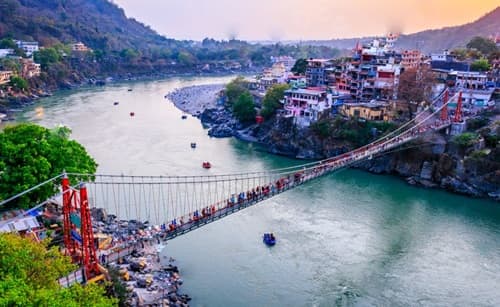
Rishikesh runs two entirely different personalities simultaneously, and that duality is exactly what makes it Uttarakhand’s most talked-about destination. On one side, yoga ashrams line the Ganga’s banks, and the evening Ganga Aarti at Triveni Ghat draws devotees and curious travellers alike into genuinely moving, candlelit devotion. On the other, white-water rafting, bungee jumping, and mountain biking have turned the same town into India’s premier adventure sports hub.
If you’re choosing where to stay, Tapovan genuinely suits travellers wanting a quieter, ashram-focused experience, while Laxman Jhula and Ram Jhula offer a more social, backpacker-friendly atmosphere. Book your rafting session for March-May or September-November specifically, and go early morning if you want the experience with fewer crowds on the river. Two full days genuinely covers Rishikesh’s main attractions, though many travellers extend their stay to squeeze in a day trip to nearby Haridwar as well.
Nainital: The Lake District Every Family Trip Eventually Includes
Cradled around the emerald Naini Lake and surrounded by seven hills, Nainital genuinely earns its reputation as one of India’s most photogenic hill stations. Boating on Naini Lake remains the signature experience here, and doing it early morning before the crowds arrive genuinely changes how peaceful it feels. Pair this with Tiffin Top and Snow View Point for panoramic views, then wind down with a walk along Mall Road.
What most guides skip is a genuinely interesting detail, Naini Lake finds mention in the Skanda Purana as Tri-Rishi-Sarovar, connected to the goddess Sati, giving the spot a layer of mythology beyond just its scenic value. Nainital works particularly well for families and senior travellers specifically, since the roads are smooth, hotels are reliable, and the pace never feels rushed. March through June suits summer escapes, while October and November deliver the clearest mountain views.
Mussoorie: The Queen of the Hills, Easy and Crowd-Pleasing
Often called the Queen of the Hills, Mussoorie offers exactly what most first-time Uttarakhand visitors are looking for, colonial-era charm, sweeping Himalayan views, and genuinely pleasant weather across most of the year. Mall Road, Camel’s Back Road, Gun Hill, and Kempty Falls make for an easy, satisfying day, though it’s worth being honest that Mussoorie does get genuinely crowded during peak season.
For a sunrise that genuinely justifies an early wake-up, head to Lal Tibba, Mussoorie’s highest point, for uninterrupted views of snow-clad peaks stretching toward Badrinath and Kedarnath. If the crowds at Mussoorie feel like too much, Dhanaulti sits just 24 kilometres away and offers the same hill-station charm with considerably fewer people. Two full days genuinely covers Mussoorie’s core attractions, and it pairs naturally with a stop in Dehradun or Haridwar on your way in or out.
Kedarnath: The Pilgrimage That Tests You and Rewards You Equally
Kedarnath sits at 3,583 metres in the Himalayas, and reaching it, whether through a demanding 16-kilometre trek or by helicopter, genuinely feels like an accomplishment before you’ve even entered the temple. As one of the twelve Jyotirlingas dedicated to Lord Shiva, and one of the four sites in the Chota Char Dham circuit alongside Badrinath, Gangotri, and Yamunotri, Kedarnath carries a spiritual weight that genuinely moves even casual visitors, not just devout pilgrims.
The temple remains open only from roughly May through November, so timing your visit correctly matters enormously here, arriving outside this window simply isn’t possible due to weather. Acclimatise properly before attempting the trek rather than rushing, since the altitude genuinely catches unprepared visitors off guard. If Kedarnath’s physical demands feel like too much, Badrinath offers a comparable spiritual experience with a temple accessible directly by road, making it considerably more suitable for families or senior citizens travelling together.
Jim Corbett National Park: India’s Oldest Reserve, Still Genuinely Wild
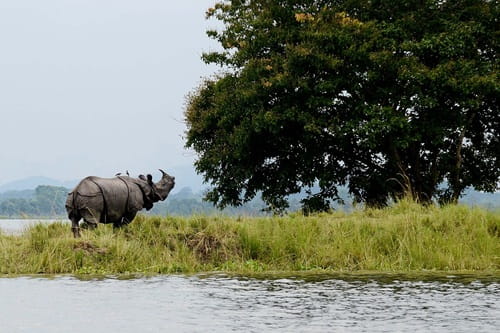
For travellers wanting nature and wildlife rather than temples or hill-station cafes, Jim Corbett National Park delivers India’s oldest national park experience, set right in the foothills of the Himalayas in Nainital district. As part of the larger Corbett Tiger Reserve, this genuinely remains one of the country’s best chances to spot the Bengal tiger in its natural habitat, alongside elephants, leopards, and an impressive range of bird species.
A jeep safari here works particularly well for families or senior travellers who want a genuine wildlife encounter without much physical exertion, quiet forest stays and guided drives replace any need for trekking. November through February suits wildlife viewing and safaris best, when the reserve’s grasslands and dense sal forests offer genuinely rewarding sightings during cooler, more comfortable weather.
Frequently Asked Questions
Q1. How many days should I realistically plan to cover these five places without rushing?
A. Covering Rishikesh, Nainital, and Mussoorie comfortably needs about 6 to 7 days, and if you want to add Kedarnath or Jim Corbett to the same trip, stretching to 9 to 10 days genuinely gives you enough breathing room, since these destinations sit at considerable distances from each other across hilly terrain.
Q2. Is it safe to travel to Uttarakhand’s remote pilgrimage sites like Kedarnath without a guided group?
A. Generally yes for experienced trekkers, but it’s genuinely advisable to stick to main routes, share your itinerary with someone, avoid trekking alone after dark, and consider joining a group specifically for remote, high-altitude treks where weather and terrain can change quickly.
Q3. When is the best time to visit if I want to see snow rather than just pleasant weather?
A. December through February brings snowfall to lower-altitude destinations like Nainital and Mussoorie, while March through June and September through November offer the clearest weather overall for sightseeing and adventure activities across most of the state without extreme cold.
Q4. Can I visit Kedarnath and Jim Corbett on the same trip, or are they too far apart to combine easily?
A. They’re genuinely quite far apart and serve very different travel purposes, so combining both in a single trip works better as a longer, 10-day itinerary rather than trying to squeeze them into a shorter week-long visit, since the travel time between the Himalayan pilgrimage circuit and the Corbett wildlife region is considerable.
Leave a Reply