
Say “Jharkhand” to most Indians, and coal mines or steel plants probably come to mind before anything else. That’s genuinely a shame, because this state quietly holds some of Eastern India’s most rewarding travel experiences, waterfalls tumbling through dense sal forests, a hill station the British once used as their own summer retreat, and one of Hinduism’s twelve Jyotirlingas drawing pilgrims from across the country. Jharkhand genuinely deserves a spot on your travel list, not just as a stopover between bigger destinations.
What makes this genuinely practical to plan is Jharkhand’s compact geography, most of its major attractions sit within a few hours of Ranchi, the state capital, making it entirely possible to build a satisfying week-long circuit without excessive travel fatigue. October through March brings the most pleasant weather across the state, and here are the five places that genuinely define what Jharkhand has to offer.
Ranchi: The City of Waterfalls, Genuinely Living Up to the Name
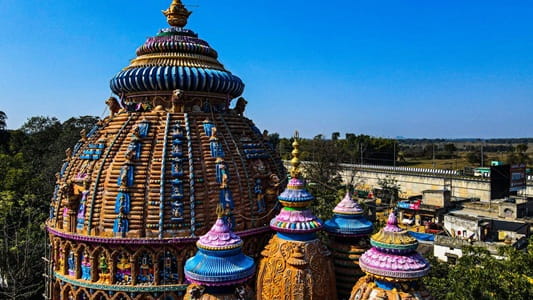
Jharkhand’s capital sits at roughly 700 metres altitude, and its nickname, City of Waterfalls, isn’t marketing exaggeration, Ranchi genuinely surrounds itself with dramatic cascades that make for some of the state’s most memorable day trips. Jonha Falls and Dassam Falls both require a bit of trekking to reach their best viewpoints, while Hundru Falls and Hirni round out the region’s must-see water attractions, each requiring some prior planning since a few sit outside the immediate city.
Beyond waterfalls, Ranchi genuinely offers spiritual variety too, Jagannath Temple, Pahari Temple, known for hoisting one of India’s tallest national flags, and Maa Dewri Mandir all deserve a visit. Add boating at Ranchi Lake, a relaxed afternoon at Kanke Dam, and exploring the artistic installations at Rock Garden, and you’ve got a genuinely well-rounded couple of days before heading further afield. Don’t skip trying litti chokha or dhuska from local street stalls, Ranchi’s street food genuinely deserves its own dedicated afternoon.
Netarhat: The Queen of Chotanagpur, and Genuinely Underrated
Roughly 156 kilometres west of Ranchi sits Netarhat, the highest point on the Chotanagpur Plateau and one of Eastern India’s most scenic, genuinely underappreciated hill stations. Once used as a summer retreat by British officials, who reportedly found its cool climate reminiscent of Scottish moorlands back home, Netarhat today draws visitors specifically for its spectacular sunrise and sunset views.
Magnolia Sunset Point delivers a genuinely breathtaking evening spectacle, the sky turning shades of orange, pink, and gold as the sun dips behind distant hills, while the dedicated Sunrise Point rewards early risers with an equally impressive start to the day. Lodh Falls, roughly 60 kilometres away and Jharkhand’s highest waterfall at around 143 metres, makes for a genuinely worthwhile day-trip extension if you’re staying two or three days, which is generally what this destination deserves. Carry a light jacket for winter mornings, and note that mobile connectivity genuinely thins out in certain stretches, part of what keeps Netarhat feeling wonderfully untouched.
Deoghar: One of the Twelve Jyotirlingas, Drawing Pilgrims Nationwide
Deoghar holds genuine religious significance as home to the Baidyanath Temple, one of the twelve Jyotirlingas dedicated to Lord Shiva, and its pull on devout Hindu pilgrims is considerable, particularly during the Saawan festival in July and August, when the Saawan Mela draws enormous crowds. Beyond Baidyanath, the Naulakha Temple, Basukinath Temple, and Nav Durga Temple round out Deoghar’s core religious circuit.
Beyond the temples, Deoghar offers genuine natural beauty too, Trikuta Hill features a ropeway ride offering sweeping views, while Nandan Pahar provides a pleasant sunset spot alongside a small entertainment park. Tapovan Caves and the Shivganga pool add a meditative, contemplative dimension worth exploring if temple-hopping alone doesn’t fill your itinerary. If you’re visiting during peak Saawan season, plan for genuinely heavy crowds and book accommodation well in advance, this is easily Deoghar’s busiest and most atmospheric stretch of the year.
Betla National Park: Wild Elephants, Rare Tigers, and Genuine Jungle Terrain
Spread across the hilly terrain of Palamau district, Betla National Park offers Jharkhand’s premier wildlife experience, home to wild elephant herds and occasional, rare tiger sightings alongside leopards, bison, and axis deer. The park’s name itself is genuinely built as an acronym, Bison, Elephant, Tiger, Leopard, and Axis, reflecting its core wildlife draws.
Beyond the safari experience, Betla holds genuine historical interest too, two forts sit within the park premises, adding a layer of heritage exploration alongside the wildlife viewing. This destination genuinely suits travellers willing to venture slightly further off the standard tourist path, since Betla sits west of Ranchi and requires more deliberate planning than the more accessible Ranchi waterfalls, but the reward is a genuinely wilder, less crowded wildlife experience than many of India’s more famous reserves.
Jamshedpur: India’s First Planned City, Genuinely Impressive Beyond Its Industry
Often overlooked purely because of its association with steel manufacturing, Jamshedpur genuinely deserves recognition as India’s first planned city, an aesthetically laid-out township set against the backdrop of the scenic Dalma Hills. This isn’t purely an industrial visit either, Dalma Wildlife Sanctuary, home to tigers, elephants, and gaurs, sits right nearby, offering nature walks and trekking alongside its wildlife sightings.
Dimna Lake rounds out Jamshedpur’s appeal with genuinely peaceful sunrise and sunset views, plus opportunities for yoga and quiet reflection by the water. For travellers curious about India’s industrial heritage combined with genuine natural beauty, Jamshedpur offers a distinctly different flavour of Jharkhand than the state’s more traditional waterfall-and-temple circuit, worth including if your itinerary has room for something a little different.
Frequently Asked Questions
Q1. How many days should I genuinely plan to cover Ranchi, Netarhat, and Deoghar in a single trip?
A realistic itinerary covering these three destinations comfortably needs about 6 to 7 days, given the travel distances between them, with 2 days each for Ranchi and Deoghar, and 2 to 3 days for Netarhat given its more remote, unhurried nature.
Q2. Is Netarhat difficult to reach, or does it require significant advance planning?
It’s reachable by road from Ranchi in roughly 4 to 5 hours, and while it’s less commercially developed than more famous hill stations, this genuinely contributes to its charm rather than being a serious obstacle, just plan for limited mobile connectivity and fewer dining options once you arrive.
Q3. When is the best time to visit Deoghar if I want to avoid overwhelming crowds?
Outside the Saawan festival period in July and August, Deoghar sees considerably calmer crowds, so visiting during the general October to March window, when weather is also most pleasant, genuinely offers a more peaceful, unhurried temple visit compared to peak festival season.
Q4. Can I genuinely spot tigers at Betla National Park, or are sightings rare enough that I shouldn’t expect it?
Tiger sightings at Betla are genuinely rare given the park’s smaller tiger population compared to more famous reserves like Ranthambore or Bandhavgarh, so it’s worth visiting primarily for the broader wildlife experience, elephants, leopards, and diverse deer species, rather than setting expectations specifically around spotting a tiger.
Leave a Reply