
Choosing the right business structure is one of the most important decisions an entrepreneur can make. The legal structure of your business affects taxation, liability, compliance requirements, funding opportunities, and long-term growth. In India, two of the most common business structures are Sole Proprietorship and Private Limited Company (Pvt Ltd).
A sole proprietorship is ideal for individuals starting a small business with minimal investment, while a private limited company is better suited for startups and businesses planning to scale, raise investment, and build a separate legal identity.
This article compares Sole Proprietorship and Private Limited Company in detail, including their advantages, disadvantages, and the factors you should consider before making a choice.
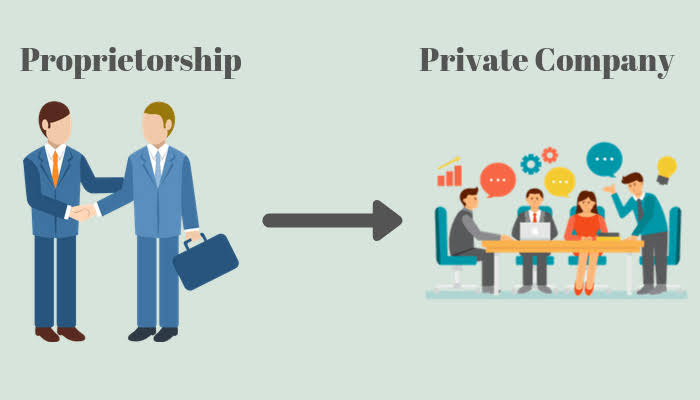
What Is a Sole Proprietorship?
A sole proprietorship is the simplest form of business ownership, where a single individual owns and manages the business. There is no separate legal identity between the owner and the business, meaning the owner receives all profits and is personally responsible for all debts and liabilities.
This structure is commonly used by:
- Freelancers
- Small retailers
- Consultants
- Local service providers
- Home-based businesses
A sole proprietorship is easy to start and involves relatively fewer legal formalities compared to a company.
Advantages of a Sole Proprietorship
1. Easy to Start
Setting up a sole proprietorship is quick and inexpensive. In most cases, entrepreneurs only need the necessary registrations applicable to their business, such as GST registration (if required), a Shop and Establishment registration (where applicable), and other local licenses.
2. Complete Control
The owner has full authority over business decisions, including pricing, operations, hiring, and investments. There is no need to consult directors or shareholders before making decisions.
3. Lower Compliance
Compared to a private limited company, compliance requirements are generally simpler. There are fewer regulatory filings, making it easier for small businesses to manage administrative responsibilities.
4. Direct Access to Profits
All business profits belong to the proprietor. There is no requirement to distribute dividends or share profits with other shareholders.
5. Greater Privacy
Financial statements and business information are generally not subject to the same level of public disclosure as those of private limited companies.
Disadvantages of a Sole Proprietorship
Despite its simplicity, this structure has several limitations.
Unlimited Liability
The owner is personally responsible for all business debts. If the business incurs losses or legal claims, personal assets such as savings or property may be at risk.
Limited Funding Options
Banks and investors often prefer businesses with a formal corporate structure. Raising external investment can therefore be more challenging for sole proprietors.
Limited Growth Potential
As the business grows, managing operations alone may become difficult, limiting scalability.
Business Continuity Issues
The business is closely tied to the owner. In the event of the owner’s death or incapacity, business continuity may become uncertain.
What Is a Private Limited Company?
A Private Limited Company is a separate legal entity incorporated under the Companies Act, 2013. It is owned by shareholders and managed by directors.
Since the company has its own legal identity, it can:
- Own assets
- Enter into contracts
- Borrow money
- Sue and be sued independently of its owners
This structure is widely preferred by startups, technology companies, manufacturing businesses, and businesses seeking long-term expansion.
Advantages of a Private Limited Company
1. Limited Liability Protection
One of the biggest advantages is limited liability.
Shareholders are generally liable only to the extent of their investment in the company. Their personal assets are typically protected from business liabilities, subject to applicable laws.
2. Separate Legal Entity
The company exists independently of its shareholders.
This provides greater credibility and allows the business to continue operating even if ownership changes.
3. Easier Fundraising
Private limited companies can raise funds more easily through:
- Equity investment
- Venture capital
- Angel investors
- Private funding
This makes the structure suitable for businesses planning rapid growth.
4. Better Business Credibility
Many customers, suppliers, financial institutions, and corporate clients prefer dealing with registered companies due to their structured governance and regulatory oversight.
5. Perpetual Succession
A company continues to exist regardless of changes in ownership or management, ensuring long-term stability.
Disadvantages of a Private Limited Company
Although a private limited company offers several benefits, it also involves additional responsibilities.
Higher Compliance Requirements
Companies must comply with various legal obligations, including:
- Annual financial statements
- Annual returns
- Board meetings
- Statutory registers
- Other filings as required under the Companies Act
Higher Setup and Maintenance Costs
Incorporation costs, professional fees, accounting, auditing, and compliance expenses are generally higher than those of a sole proprietorship.
Regulatory Oversight
Companies must follow prescribed corporate governance standards and maintain proper records, increasing administrative responsibilities.
Sole Proprietorship vs Private Limited Company
| Feature | Sole Proprietorship | Private Limited Company |
|---|---|---|
| Legal Status | No separate legal entity | Separate legal entity |
| Ownership | Single owner | Shareholders |
| Liability | Unlimited | Limited to shareholding |
| Registration | Simple | Formal incorporation required |
| Compliance | Low | Higher |
| Fundraising | Limited | Easier |
| Business Continuity | Depends on owner | Perpetual succession |
| Credibility | Moderate | High |
| Suitable For | Small businesses | Growing businesses and startups |
Which Business Structure Is Better?
The right choice depends on your business objectives.
Choose a Sole Proprietorship If:
A sole proprietorship may be suitable if you:
- Are starting a small business with limited capital.
- Want complete control over operations.
- Prefer minimal compliance.
- Do not require external investors immediately.
- Operate as a freelancer or consultant.
Choose a Private Limited Company If:
A private limited company may be the better option if you:
- Plan to scale your business.
- Want to attract investors.
- Need better business credibility.
- Wish to separate personal and business liabilities.
- Intend to build a long-term enterprise.
Factors to Consider Before Choosing
Before selecting a business structure, evaluate the following:
- Nature of your business
- Initial investment
- Future expansion plans
- Funding requirements
- Liability exposure
- Compliance costs
- Tax implications
- Number of owners
- Long-term business goals
Consulting a qualified Chartered Accountant or legal professional can help you choose the most appropriate structure based on your specific circumstances.
Common Mistakes Entrepreneurs Make
Many first-time business owners make avoidable mistakes when selecting a business structure.
Avoid these common errors:
- Choosing solely based on lower registration costs.
- Ignoring future fundraising requirements.
- Underestimating legal compliance obligations.
- Overlooking liability protection.
- Failing to plan for business growth.
- Not seeking professional advice before incorporation.
Making the right choice at the beginning can save significant time and costs later.
Conclusion
Both Sole Proprietorships and Private Limited Companies have their own advantages and limitations. A sole proprietorship offers simplicity, lower compliance, and complete ownership, making it ideal for small businesses and independent professionals. However, unlimited personal liability and limited fundraising opportunities may restrict long-term growth.
A Private Limited Company, on the other hand, provides limited liability protection, better credibility, easier access to investment, and greater scalability. Although it involves higher compliance and operating costs, it is often the preferred choice for businesses with ambitious growth plans.
Before deciding, assess your current business needs as well as your future objectives. Choosing the right business structure from the outset can lay a strong foundation for sustainable success.
FAQs
1. What is the main difference between a Sole Proprietorship and a Private Limited Company?
A. The primary difference is that a sole proprietorship has no separate legal identity from its owner, whereas a private limited company is a separate legal entity with limited liability protection for its shareholders.
2. Which business structure is easier to start?
A. A sole proprietorship is generally easier and less expensive to establish, as it involves fewer legal formalities and compliance requirements than a private limited company.
3. Which structure is better for raising investment?
A. A private limited company is generally more suitable for raising funds because it can issue shares and is often preferred by angel investors, venture capital firms, and institutional investors.
4. Can a Sole Proprietorship be converted into a Private Limited Company?
A. Yes. Subject to applicable legal requirements, a sole proprietorship can be converted into a private limited company if the business grows and requires a more formal corporate structure.
5. Which business structure is better for startups?
A. For startups planning rapid growth, external funding, or expansion, a private limited company is generally the preferred choice due to its limited liability, stronger credibility, and greater fundraising potential.





Leave a Reply