
Somewhere in Mumbai or Bengaluru right now, a mother is finishing a work call, helping with homework, and cooking dinner, all within the same hour, with nobody else at home to hand off any of it to. Single parenting in India has genuinely moved from being a rare, whispered-about exception to a visible, growing reality, driven by rising divorce rates, more women choosing motherhood on their own terms, and yes, the loss of partners during the pandemic. Whether you’re navigating this yourself, supporting someone who is, or simply trying to understand a family structure that’s becoming genuinely more common, knowing both the real challenges and the real strengths matters more than the outdated stigma this topic still carries.
Here’s what’s worth saying upfront: research on single parenting genuinely shows mixed outcomes, and much of what looks like a disadvantage tied to family structure is actually tied to the poverty, conflict, or lack of support that often surrounds it, not single parenting itself. Understanding this distinction changes how you think about the whole topic, and it genuinely matters for anyone raising a child alone right now, wondering if they’re somehow failing simply by doing it solo.
The Genuine Strength of Undiluted Focus
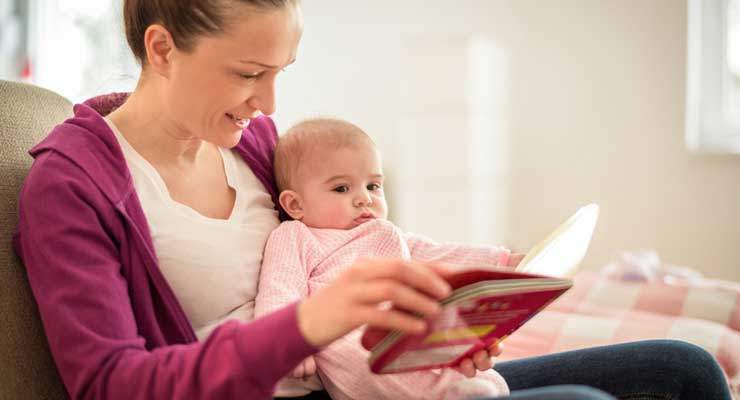
One advantage that gets consistently overlooked in single parenting discussions is the depth of focus a single parent can offer. Without a second adult’s competing parenting style, schedule, or decision-making preferences pulling in a different direction, single parents often develop an especially close, consistent bond with their children, built on daily, uninterrupted attention rather than divided between two adults.
Many single parents describe genuinely knowing their child more intimately than co-parenting friends do, simply because there’s no buffer or division of daily observation. Decisions about schooling, discipline, and daily routine happen without needing to negotiate or compromise with another adult’s differing views, which, while genuinely more work in some ways, also means a child experiences consistency rather than mixed signals between two parenting approaches.
The Financial Weight That’s Genuinely Heavier Than People Realise
This is where single parenting in India carries a genuinely significant burden, particularly for single mothers. Raising a child alone is economically challenging, especially for women with limited education or restricted job opportunities, and this financial strain compounds when combined with reduced family support and, in many cases, ongoing legal battles over custody, inheritance, or guardianship rights.
The reality is that single parents are often managing the responsibilities that would normally be split between two incomes and two sets of hands, entirely alone. This isn’t just about money either, it’s about time, energy, and the sheer logistics of being the only person available for school pickups, medical emergencies, and everyday household management. Acknowledging this honestly, rather than glossing over it with inspirational language about resilience, genuinely matters for anyone trying to understand what single parents are actually navigating daily.
Social Stigma That’s Genuinely Softening, But Hasn’t Disappeared
India’s cultural expectations around the “complete family unit” still create real pressure for single parents, who often face social judgment simply for not fitting a traditional structure. This stigma shows up in ways that go beyond casual comments too, single mothers seeking to adopt, for instance, are often required to prove they have a “robust support system,” a standard that genuinely disadvantages women without large extended families, even when they’re entirely capable of raising a child well on their own.
The genuinely encouraging part is that this landscape is shifting. Legal reforms now allow mothers to be listed as the first official guardian on documents like school admission forms and passports, reducing some of the bureaucratic friction single mothers historically faced. Growing social acceptance, particularly in urban India, has also made single motherhood considerably less taboo than it was even a decade ago, though awkward interrogation and social judgment genuinely still happen, particularly outside major cities.
What the Research on Children Actually Shows, and Where It Gets Misunderstood
This is genuinely the part that deserves the most careful, honest handling. Some studies have found children of single parents show reduced academic performance, decreased social interaction, or emotional and behavioural difficulties compared to children from two-parent households. It’s genuinely important, though, to understand what’s actually driving these outcomes.
Much of this research points not to single parenting itself as the cause, but to the surrounding circumstances, financial strain, ongoing parental conflict before or during separation, and lack of social support, that frequently accompany single parenthood, particularly in cases involving divorce or separation. Newer research has increasingly focused on protective factors that genuinely help children thrive despite these circumstances, strong parent-child communication, active coping strategies rather than avoidance, and a stable, supportive environment regardless of how many parents are providing it. Children who actively cope and adjust well to family transitions, rather than blaming themselves or withdrawing, consistently show considerably better outcomes, suggesting the quality of parenting and support matters more than the parent count itself.
Building the Support System That Doesn’t Come Automatically
Since single parents don’t have a built-in second adult sharing daily responsibilities, actively building an external support network becomes genuinely essential rather than optional. Non-profit organisations, support groups, counselling services, and online communities specifically for single parents have grown considerably in India, offering both practical guidance and the kind of peer understanding that friends without similar experiences often can’t fully provide.
Government initiatives, including subsidies and legal provisions for single-parent families, have also expanded, though awareness of these resources genuinely remains limited for many parents navigating this alone. Actively seeking out these support systems, rather than assuming you should manage everything independently, genuinely reduces the isolation that compounds so many of single parenting’s other challenges.
Frequently Asked Questions
Q1. Is it true that children raised by single parents genuinely have worse life outcomes than children from two-parent households?
The research is genuinely mixed rather than conclusive, and much of what appears as a disadvantage is more strongly linked to financial hardship, conflict, or lack of support surrounding the situation, rather than the number of parents itself. Children with strong coping skills, consistent parenting, and adequate support tend to do considerably better regardless of family structure.
Q2. What are the biggest practical challenges single fathers specifically face in India that get less attention than single mothers’ challenges?
Single fathers often navigate societal expectations around masculinity that discourage open emotional support-seeking, alongside limited access to parental leave and fewer support networks specifically designed for them, since most single-parenting resources and conversations in India tend to centre single mothers.
Q3. How can a single parent build a support system if they don’t have close extended family nearby?
Actively seeking out single-parent support groups, both in-person and online, along with community resources through non-profits and counselling services, genuinely helps fill this gap, and many single parents build a chosen support network of close friends and community members who take on some of the roles extended family traditionally provided.
Q4. Does becoming a single parent through choice, rather than divorce or loss, change how children experience the family structure?
It genuinely can, since children raised from birth in a single-parent household by choice often don’t experience the same disruption, conflict, or transition that children of divorce or separation navigate, meaning the emotional context surrounding single parenthood matters considerably, not just the family structure itself.









Leave a Reply