
Somewhere in a living room in Jaipur or Coimbatore right now, a set of parents is scrolling through a matrimony profile with their adult child, discussing family background, horoscope compatibility, and career prospects, all before the two people involved have even met. Arranged marriage remains the most common form of marriage across India, particularly in semi-urban and rural areas, and understanding what it genuinely offers, beyond the outdated stereotype of two strangers meeting once before the wedding, matters whether you’re the one being matched or the parent doing the matching.
Here’s what’s genuinely worth clarifying upfront: modern arranged marriage in India looks considerably different from what it did even fifteen years ago. Couples today typically get multiple meetings, phone calls, and months of getting-to-know-each-other time before deciding, a far cry from the single introduction ceremony older generations often experienced. Understanding both the real strengths and genuine limitations of this system helps you navigate it thoughtfully rather than simply accepting or rejecting it based on assumption.
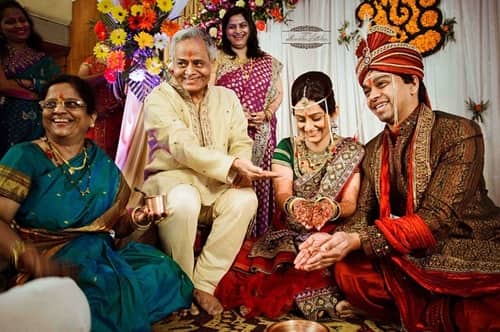
Family Involvement That Genuinely Provides a Built-In Support System
One of the most significant, and often underappreciated, advantages of arranged marriage is that both families are invested from the very beginning. Since parents and relatives have actively participated in approving the match, couples typically receive emotional, financial, and social support throughout their married life, not just during the wedding itself, but genuinely ongoing support during difficult periods later.
This matters more than it might seem at first. Indian culture traditionally treats marriage as a union of two families rather than purely two individuals, which means if conflicts arise between the couple, family members often step in to mediate and offer guidance, helping both partners navigate difficult periods with additional perspective and support. This collective involvement genuinely provides a safety net that couples navigating marriage entirely on their own sometimes lack precisely when they need it most.
Compatibility Vetting That Genuinely Reduces Certain Frictions
Families arranging a match typically consider religion, caste, economic background, lifestyle habits, and shared traditions carefully before proceeding, a deliberate filtering process designed specifically to reduce the likelihood of significant cultural clashes after marriage. This isn’t a minor detail either, shared food habits, similar family traditions, and comparable lifestyle expectations genuinely smooth over friction that might otherwise surface only after the wedding in unmatched pairings.
This practical approach to compatibility, focusing on shared values and lifestyle alignment rather than purely emotional attraction, genuinely helps some couples build a stable foundation before romantic feelings even develop. Many arranged marriage couples describe a gradual growth of love and connection over the early years of marriage, built on this initial compatibility rather than requiring intense romantic chemistry from the outset.
Realistic Expectations That Genuinely Shape How Couples Approach Marriage
Couples entering arranged marriages generally go in with more measured, practical expectations about married life, understanding upfront that love and deep emotional connection may develop over time rather than needing to exist fully formed before the wedding. This mindset genuinely differs from relationships where couples expect intense romantic passion to sustain them through every difficulty from day one.
This isn’t necessarily a disadvantage, tempered expectations can genuinely make couples more patient and understanding during the inevitable early adjustment period of shared living, financial decisions, and blending two individual habits into a shared household. Since both partners enter with a shared understanding that the relationship is a work in progress rather than assuming instant compatibility, disappointment and unrealistic pressure during the early months of marriage tend to be genuinely lower.
Reduced Personal Choice Remains a Genuine Trade-Off
This is where arranged marriage’s biggest disadvantage genuinely lies, and it’s worth naming directly rather than glossing over. Even with modern arrangements involving multiple meetings and mutual consent, the fundamental process still begins with family selection rather than the individual independently choosing who they date and eventually marry. For some people, this genuinely feels limiting, particularly those who value discovering compatibility organically through their own experiences rather than through family-vetted introductions.
This trade-off matters differently to different people. Some genuinely appreciate having the initial search narrowed down by trusted family members who know them well, reducing the overwhelming task of finding a compatible partner independently. Others feel this process, however well-intentioned, genuinely constrains their autonomy in one of life’s most significant decisions, and this tension between family involvement and individual choice remains a genuine, unresolved friction point for many navigating this system today.
The Pressure of Family Expectations Doesn’t Disappear After the Wedding
While family involvement offers genuine support, it also means ongoing family opinions, expectations, and occasionally interference continue well beyond the wedding itself. Decisions that a purely independent couple might make privately, when to have children, how to spend money, how to raise kids, can genuinely become subject to extended family input in ways that create friction, particularly when a couple’s personal preferences diverge from what parents or in-laws expect.
This dynamic requires genuine skill to navigate well, couples in arranged marriages often need to develop clear boundaries with extended family early on, respecting the support system while also protecting their own autonomy as a couple. Where this balance isn’t managed thoughtfully, the same family involvement that offers support during hard times can also become a genuine source of ongoing tension.
What the Actual Research Says, Beyond the Popular Divorce Rate Claims
This deserves honest treatment rather than repeating exaggerated statistics that circulate widely online. While some sources claim dramatically lower divorce rates for arranged marriages, rigorous academic research tells a more nuanced story. A 2019 meta-analysis of Indian marital satisfaction studies found no consistent advantage for arranged marriages over love marriages across measures like happiness, trust, and commitment. What genuinely predicted success in both types was communication quality and family support, not the marriage type itself.
That said, one credible 2013 study did find something worth noting honestly, reported love levels in arranged marriages tended to increase over time following the wedding, a pattern that genuinely differs from some love marriages where initial intensity sometimes decreases. This doesn’t mean arranged marriage guarantees a happier outcome, but it does suggest the gradual-growth model many arranged couples experience isn’t inherently inferior to relationships built on pre-existing romantic connection.
Frequently Asked Questions
Q1. Do arranged marriages genuinely have lower divorce rates than love marriages, or is this exaggerated?
Many widely circulated statistics on this topic are exaggerated or poorly sourced. Credible academic research, including meta-analyses of Indian marital satisfaction studies, finds no consistent, reliable advantage for arranged marriages over love marriages on core outcome measures, with communication quality mattering considerably more than marriage type.
Q2. How much say do individuals genuinely have in modern arranged marriages compared to older generations?
Considerably more than previous generations experienced. Today’s arranged marriages typically involve multiple meetings, phone or video calls, and months of getting-to-know-each-other time before the individuals themselves decide whether to proceed, rather than the single introduction and immediate decision common in earlier decades.
Q3. How can couples in arranged marriages balance family involvement with maintaining their own independence as a couple?
Setting clear boundaries early, particularly around decisions that affect just the couple directly like finances or parenting choices, while still respecting family input on broader matters, genuinely helps maintain this balance without rejecting the family support system that makes arranged marriage genuinely valuable during difficult periods.
Q4. Is it possible to ask for more time or additional meetings before committing to an arranged match if I’m still uncertain?
Yes, genuinely, most families and matrimonial processes today accommodate this reasonably well, and taking the time you need to feel confident in the decision, rather than rushing due to family or social pressure, is a legitimate and increasingly common part of navigating arranged marriage thoughtfully.



Leave a Reply