
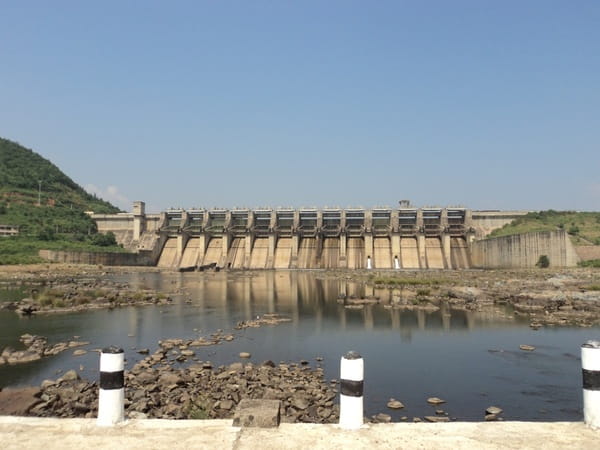
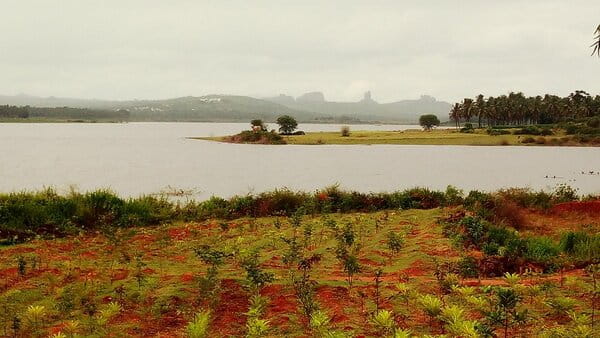
Hirakud Dam — the longest earthen dam in the world and the undisputed pride of Odisha — is a towering testament to post-independence India’s engineering ambition, stretching majestically across the mighty Mahanadi River approximately 16 kilometres from Sambalpur in western Odisha. Constructed between 1947 and 1957, the dam was one of the very first major multipurpose river valley projects initiated after India’s independence — a colossal undertaking designed to tame the Mahanadi’s devastating floods, provide irrigation water to millions of acres of farmland in eastern Odisha, and generate hydroelectric power for the region. The dam has an imposing height of 200 feet (60.96 metres) and a total composite length of 25.8 kilometres — comprising a main dam section of 4.8 kilometres flanked by 21 kilometres of earthen dykes on both the left and right banks, making it the longest dam structure in the world. It impounds the Hirakud Reservoir — one of the largest artificial lakes in Asia, with a total capacity of 5.896 billion cubic metres of water and a vast shoreline of over 639 kilometres, spread across 746 square kilometres of shimmering surface area.
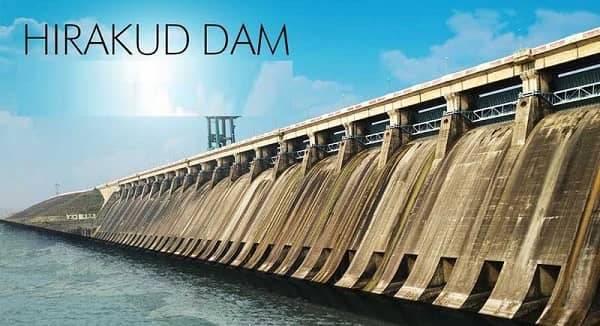
The dam features 64 sluice gates and 34 crest gates — an engineering configuration capable of releasing 42,450 cubic metres of water per second. Two landmark observation towers built atop the dam — Gandhi Minar on the northern end and Nehru Minar (also called Jawahar Minar) on the opposite end — offer sweeping panoramic views of the dam, the Hirakud Reservoir, and the surrounding Sambalpur hills. A drive along the 21-kilometre road stretch atop the dam wall is one of the most exhilarating dam-road experiences in India. The Hirakud Reservoir is a Ramsar Wetland of International Importance, designated on 12 October 2021 — recognising its extraordinary ecological significance as a habitat for migratory birds, aquatic biodiversity, and freshwater ecosystems. It is also home to the famous Cattle Island and Nehru Park, making the wider site a richly layered destination for history, nature, and engineering enthusiasts alike.
Hirakud Dam Location
Hirakud Dam is situated in the Sambalpur district of Odisha, positioned on the Mahanadi River where it emerges from the Eastern Ghats into the Deccan Plateau — approximately 16 to 21 kilometres northwest of Sambalpur city.
- Address: Hirakud Dam, Hirakud, Sambalpur District, Odisha — 768025
- Pin Code: 768025
- STD Code: 0663
- Administrative Zone: Sambalpur District — Odisha / Sambalpur Parliamentary Constituency
| Reference Point | Distance |
| Gandhi Minar (northern observation tower) | At the dam |
| Nehru Minar (southern observation tower) | At the dam |
| Sambalpur City Centre | 16 to 21 kilometres |
| Sambalpur Railway Station | 20 kilometres |
| Sambalpur Bus Stand | 20 kilometres |
| Veer Surendra Sai Airport, Jharsuguda | 68 kilometres |
| Bhubaneswar (Biju Patnaik Airport) | 300 kilometres |
| Cattle Island (Hirakud Reservoir) | Within the reservoir |
| Huma Temple (Leaning Temple) | 24 kilometres |
| Ushakothi Wildlife Sanctuary | 60 kilometres |
| Rourkela | 130 kilometres |
Timings and Entry Fee of Hirakud Dam
Hirakud Dam welcomes visitors every day of the week, with access to both observation towers and the dam-top drive road available within the prescribed visiting hours managed by the Odisha government and BBMB-equivalent authorities.
| Attraction | Timings | Entry / Fee Details |
| Hirakud Dam (General) | 10:00 AM to 6:00 PM (all days) | Entry to dam precinct |
| Gandhi Minar (Northern Observation Tower) | 10:00 AM to 6:00 PM | Nominal tower entry fee |
| Nehru Minar (Southern Observation Tower) | 10:00 AM to 6:00 PM | Nominal tower entry fee |
| Dam-Top Road Drive (21 km) | 10:00 AM to 6:00 PM | Entry by vehicle — toll charges |
| Nehru Park (adjacent to Nehru Minar) | 10:00 AM to 6:00 PM | Nominal park entry |
| Note — Foreign Nationals | Check in advance | Security restrictions may apply — prior permission may be required |
How to Reach Hirakud Dam
Hirakud Dam is well connected to Sambalpur by road and can be reached via multiple routes from major Odisha cities and railway junctions across western India.
From Sambalpur City
Take the Sambalpur–Hirakud Road northwestward → approximately 16 to 21 kilometres — 25 to 35 minutes by taxi or OSRTC bus.
From Sambalpur Railway Station
Take taxi or auto-rickshaw toward Hirakud → approximately 20 kilometres — 30 to 40 minutes.
From Jharsuguda (Veer Surendra Sai Airport)
Take NH-53 southward toward Sambalpur → connect to Hirakud Road → approximately 68 kilometres — 1.5 to 2 hours.
From Bhubaneswar
Take NH-55 westward toward Sambalpur → approximately 300 kilometres — 5 to 6 hours by road or train to Sambalpur then local taxi.
Best Time to Visit Hirakud Dam
Hirakud Dam presents different faces across seasons — from the dramatic spectacle of overflowing sluice gates during monsoon to the crystal-clear winter mornings that perfectly reflect the dam walls in the still reservoir waters.
| Season | Months | Experience |
| Peak Season | October to March | Cool and dry — best weather — clearest reservoir views — ideal birdwatching |
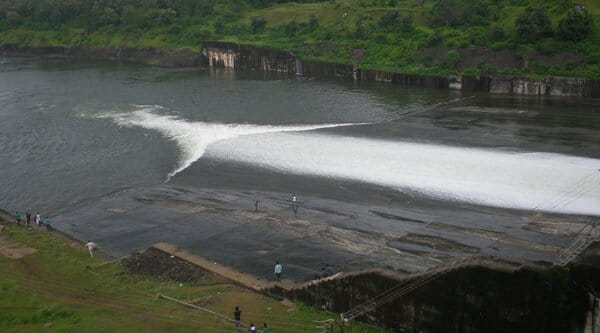
| Monsoon Season | June to September | All 98 gates may open — dramatic water release — spectacular from the towers |
| Winter | November to February | Migratory birds arrive at the Ramsar wetland — outstanding photography |
| Summer | April to May | Warmer — best to visit in early morning — fewer tourists |
The best time to visit is October to March, when the weather is most comfortable and the vast reservoir is at or near full capacity. Winter months are particularly rewarding for birdwatchers as thousands of migratory waterfowl congregate at the Ramsar-designated Hirakud Reservoir.
Nearby Places to Visit Hirakud Dam
The region around Hirakud Dam is rich with heritage temples, wildlife sanctuaries, and natural wonders that together make Sambalpur one of western Odisha’s most rewarding travel destinations.
| Place | Distance | Description |
| Gandhi Minar and Nehru Minar | At the dam | Twin observation towers offering panoramic dam and reservoir views |
| Cattle Island (Hirakud Reservoir) | Within reservoir | Island within the reservoir — accessible by boat — grazing cattle and wildlife |
| Nehru Park | At the dam | Well-maintained park near the Nehru Minar — popular family picnic spot |
| Huma Temple (Leaning Temple of Odisha) | 24 km | Remarkable 17th-century Shiva temple on the Mahanadi riverbank that leans like the Tower of Pisa |
| Ushakothi Wildlife Sanctuary | 60 km | Dense forest reserve — tigers, leopards, elephants, and rich birdlife |
| Deulajhari Hot Springs | 30 km | Natural hot springs — medicinal heritage site in Sambalpur district |
| Samaleswari Temple, Sambalpur | 20 km | Most revered temple in western Odisha — Goddess Samalei — Sambalpur’s patron deity |
| Badrama Wildlife Sanctuary | 70 km | Rich biodiversity sanctuary in the Mahanadi basin zone |
Frequently Asked Questions (FAQs)
Q1. Where is Hirakud Dam located?
A: Hirakud Dam is on the Mahanadi River, Hirakud, Sambalpur District, Odisha — PIN 768025 — approximately 16 to 21 kilometres from Sambalpur city. It is the world’s longest earthen dam at 25.8 kilometres total length.
Q2. What are the timings of Hirakud Dam?
A: The dam is open daily from 10:00 AM to 6:00 PM. Both Gandhi Minar and Nehru Minar observation towers are accessible within these hours. Foreign nationals should check ahead regarding security protocols.
Q3. What is the best time to visit Hirakud Dam?
A: October to March is ideal for the most pleasant weather and clearest views. Monsoon (June to September) is dramatic when all sluice gates open. Winter months offer exceptional birdwatching at the Ramsar-designated reservoir.
Q4. What are Gandhi Minar and Nehru Minar at Hirakud Dam?
A: These are the two observation towers at the dam’s northern and southern ends — offering sweeping panoramic views of the 25.8-kilometre dam structure and the vast Hirakud Reservoir below.
Q5. Is Hirakud Reservoir a Ramsar Wetland?
A: Yes. Hirakud Reservoir was designated a Ramsar Wetland of International Importance on 12 October 2021, recognising its ecological significance for migratory birds and freshwater biodiversity.





Leave a Reply