
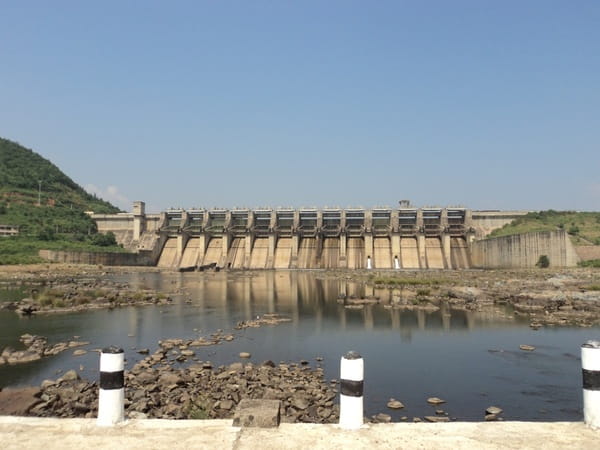
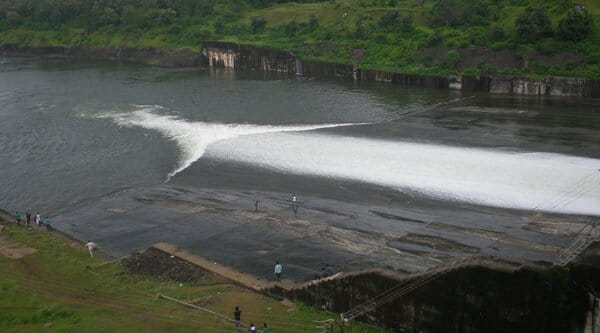
Bhakra Nangal Dam — one of the highest gravity dams in the world and independent India’s most iconic post-independence engineering achievement — stands as a towering testament to the nation’s ambition, capability, and vision on the banks of the Sutlej River in Bhakra village, Bilaspur district, Himachal Pradesh. When Prime Minister Jawaharlal Nehru inaugurated this engineering colossus on 22 October 1963, he called it the “New Temple of Resurgent India” — a phrase that captured the dam’s significance as not merely a structure of steel and concrete, but a symbol of a newly independent nation’s determination to harness its natural resources for the welfare of its people. The Bhakra Nangal project is in fact a composite of two dams — the Bhakra Dam on the Sutlej River in Himachal Pradesh, a concrete gravity dam of 226 metres in height and 518 metres in length, and the Nangal Dam located downstream in Punjab, an earthen barrage of 29 metres height and 305 metres length — together constituting one of the largest and most complex multipurpose river valley projects ever undertaken in South Asia.
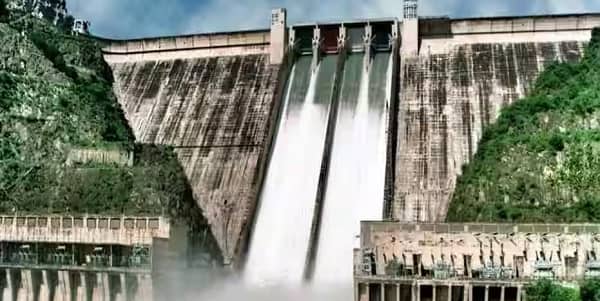
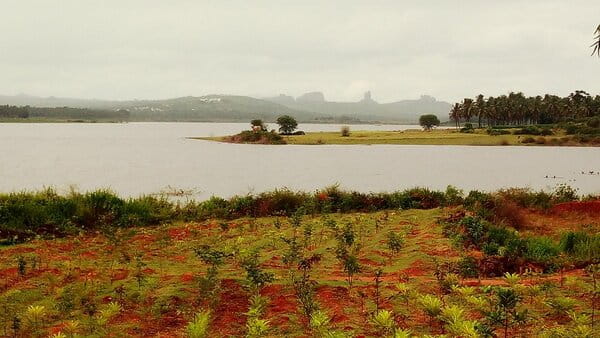
The construction of this colossal project began in 1948, just one year after Independence, and took 15 years to complete — employing thousands of workers and engineers in some of the most challenging Himalayan terrain. The dam creates the vast Gobind Sagar reservoir — named after Guru Gobind Singh, the tenth Sikh Guru — which is the third-largest reservoir in India with a capacity of 9.34 billion cubic metres of water, spreading over approximately 90 kilometres and visible from the hills around Bilaspur as a shimmering inland sea of extraordinary proportions. The dam provides irrigation water to approximately 10 million acres across Haryana, Rajasthan, Gujarat, and Himachal Pradesh and generates approximately 1,325 to 1,500 MW of hydroelectric power — making it the backbone of agricultural prosperity across North India and a cornerstone of the Green Revolution.
Bhakra Nangal Dam Location
- Address: Bhakra Dam, Bhakra Village, Bilaspur District, Himachal Pradesh — 174201
- Pin Code: 174201
- STD Code: 01978
- Administrative Zone: Bilaspur District — Himachal Pradesh / Una Lok Sabha Constituency
| Reference Point | Distance |
| Gobind Sagar Lake (reservoir) | At the dam |
| Nangal Town (Punjab) | 15 kilometres |
| Nangal Dam (downstream) | 15 kilometres |
| Bilaspur Town | 40 kilometres |
| Anandpur Sahib | 38 kilometres |
| Chandigarh | 110 kilometres |
| Shimla | 135 kilometres |
| Amritsar | 250 kilometres |
| Delhi | 310 kilometres |
| Nangal Dam Railway Station | 15 kilometres (nearest railway station) |
| Chandigarh Airport | 110 kilometres |
Timings and Entry Fee of Bhakra Nangal Dam
| Details | Information |
| Dam Visiting Hours (Tuesday to Saturday) | 8:00 AM to 6:30 PM |
| Dam Access (Sunday and Monday) | Open 24 hours (external viewing) |
| Entry Fee | No entry fee for dam viewing |
| Boating — Gobind Sagar Lake | Nominal charges — per-boat basis |
| Photography | Permitted in designated areas |
| Security Clearance | Required for internal dam visit — obtain pass from BBMB authorities |
Note: Since the dam is a high-security national asset, visitors are required to follow all security protocols and may need a permission pass from the Bhakra Beas Management Board (BBMB) for internal areas.
How to Reach Bhakra Nangal Dam
From Chandigarh
Take NH-205 northward via Morinda → Ropar → Nangal → approximately 110 kilometres — 2.5 to 3 hours by road.
From Nangal Town (Punjab)
Take the Nangal–Bhakra road northward → approximately 15 kilometres — 20 to 30 minutes by road.
From Anandpur Sahib
Take the road northward via Nangal → approximately 38 kilometres — 50 to 60 minutes.
By Train
Take train to Nangal Dam Railway Station → take taxi or bus to the dam → approximately 15 kilometres — 20 minutes by road.
From Delhi
Take NH-44 northward → Ambala → Chandigarh → Nangal → approximately 310 kilometres — 5 to 6 hours.
Best Time to Visit Bhakra Nangal Dam
| Season | Months | Experience |
| Peak Season | October to March | Cool and pleasant — best weather — Gobind Sagar at full or moderate level |
| Winter | December to February | Cold, crisp air — stunning reflections of snow-capped Shivaliks on the reservoir |
| Post-Monsoon | September to October | Reservoir at maximum level — dam in full operational glory — spectacular |
| Monsoon | July to September | Heavy rainfall — access may be restricted during peak monsoon |
| Summer | April to June | Warm to hot — early morning visits recommended — fewer tourists |
The ideal time to visit is October to March — days are clear, the Gobind Sagar reservoir is at or near full level, and the surrounding Shivalik hills present a spectacular backdrop for photography and sightseeing.
Road Connectivity of Bhakra Nangal Dam
| Route | Direction | Notes |
| NH-205 (Chandigarh–Nangal) | South | Chandigarh, Delhi direction |
| Nangal–Bhakra Road | South | Nangal town access — primary entry road |
| Bilaspur–Bhakra Road | North | Bilaspur district interior |
| Anandpur Sahib–Nangal–Bhakra | South | Pilgrimage and heritage tour circuit |
| Shimla–Bilaspur Road | East | Shimla approach via Bilaspur |
Nearby Places to Visit Bhakra Nangal Dam
| Place | Distance | Description |
| Gobind Sagar Lake | At the dam | Massive reservoir — boating, fishing, bird watching — stunning Himalayan backdrop |
| Nangal Dam | 15 km | Downstream earthen barrage — part of the Bhakra Nangal composite project |
| Anandpur Sahib | 38 km | Holiest Sikh pilgrimage city — birthplace of the Khalsa Panth — Virasat-e-Khalsa museum |
| Chandigarh | 110 km | India’s most planned city — Rock Garden, Sukhna Lake, Rose Garden |
| Bilaspur Town | 40 km | Himachal hill town — Vyas Cave, Shri Naina Devi Temple |
| Naina Devi Temple | 40 km | Revered hilltop Shakti temple — one of the 51 Shakti Peethas |
| Ropar Wetlands | 70 km | Ramsar-designated wetland — major wintering ground for migratory birds |
| Shimla | 135 km | Himachal Pradesh’s heritage hill capital — colonial architecture, Mall Road |
Frequently Asked Questions (FAQs)
Q1. Where is Bhakra Nangal Dam located?
A: Bhakra Dam is in Bhakra village, Bilaspur district, Himachal Pradesh — PIN 174201 — on the Sutlej River. Nangal Dam is 15 kilometres downstream in Punjab. Together they form the Bhakra Nangal project, inaugurated by PM Nehru in 1963.
Q2. What are the timings of Bhakra Nangal Dam?
A: The dam is open Tuesday to Saturday from 8:00 AM to 6:30 PM, and on Sundays and Mondays for external viewing. Security passes from BBMB are required for internal area access.
Q3. Is there an entry fee at Bhakra Nangal Dam?
A: There is no entry fee for general dam viewing. Boating on Gobind Sagar Lake carries nominal per-boat charges. Security protocols must be followed and internal visits require prior permission from the BBMB.
Q4. What is the best time to visit Bhakra Nangal Dam?
A: October to March is ideal — pleasant weather and the Gobind Sagar reservoir at or near full capacity. Post-monsoon in September to October offers spectacular views of the dam operating at maximum water levels.
Q5. What is Gobind Sagar Lake near Bhakra Dam?
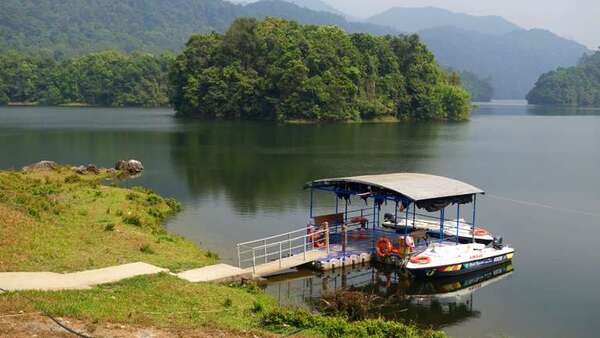
A: Gobind Sagar is the reservoir created by Bhakra Dam — named after Guru Gobind Singh, the tenth Sikh Guru — the third-largest reservoir in India with a capacity of 9.34 billion cubic metres, offering boating, fishing, and bird watching across approximately 90 kilometres of water.





Leave a Reply